Exploring how social interactions shape gambling behaviors in modern culture
The Role of Social Networks in Gambling
Social networks play a crucial role in shaping gambling behaviors, as they provide a platform for shared experiences and peer influences. People often engage in gambling activities together, and social interactions can amplify both the excitement and the risks associated with gambling. When individuals see their friends or peers participating in gambling, they may feel encouraged to join in, believing it to be a socially accepted and enjoyable activity. With innovative games like avia masters, the thrill of gambling is easily accessible.
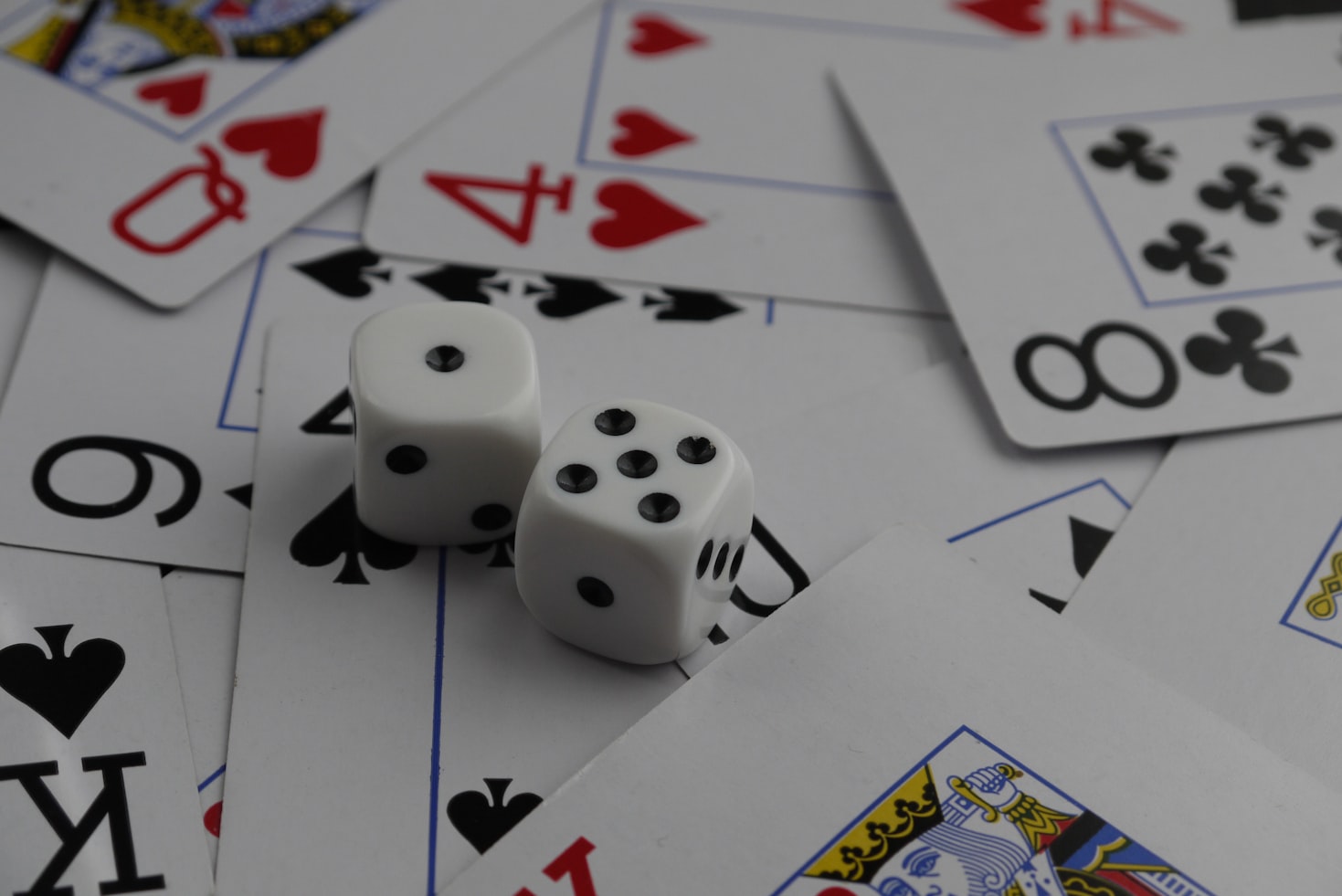
Moreover, the nature of these social networks—whether they are close-knit groups of friends or broader online communities—can significantly impact one’s gambling choices. Social interactions can lead to a normalization of gambling behaviors, making it easier for individuals to take risks they might not consider in isolation. This shift towards a collective mindset often results in increased gambling frequency and, potentially, problematic behaviors.
The Influence of Online Communities
In today’s digital age, online communities have transformed the way individuals engage with gambling. Social media platforms, forums, and dedicated gaming sites provide spaces where gamblers can share their experiences, strategies, and outcomes. This exchange of information can create a sense of belonging and support, which might encourage more frequent gambling activities.
These online interactions also allow for the dissemination of information regarding promotions, new games, and effective strategies, further enticing users to participate. However, the accessibility of these platforms means that individuals may be exposed to gambling-related content more frequently, which can blur the lines between responsible and irresponsible gambling behaviors, particularly with games such as avia masters.
The Impact of Group Dynamics on Gambling Choices
Group dynamics significantly influence individual gambling decisions. When gambling in a group, individuals may feel a sense of accountability to maintain a certain level of engagement, leading to decisions they might not make alone. The desire to fit in or impress peers can push individuals towards higher stakes or riskier gambling choices.
Additionally, group pressure can lead to a phenomenon known as “groupthink,” where individuals conform to the group’s beliefs and actions. This conformity can result in increased gambling activities and the minimization of potential negative consequences, contributing to a culture of recklessness surrounding gambling.
The Role of Cultural Perceptions in Gambling Behavior
Cultural perceptions of gambling vary widely, influencing how individuals perceive risks and rewards. In some cultures, gambling is seen as a form of entertainment, while in others, it may carry a stigma. These perceptions are often shaped by social interactions and the prevailing attitudes within a community.
As societies evolve, so do their views on gambling. The normalization of gambling in popular culture—through films, television, and social media—can affect how individuals approach their gambling behaviors. When gambling is portrayed positively, it can lead to an increase in participation, especially among younger generations looking to socialize and have fun.

Experience Avia Masters: A Social Gambling Platform
Avia Masters is an innovative online crash game that exemplifies the intersection of social interaction and gambling. With its engaging gameplay and vibrant visuals, it creates an immersive environment where players can enjoy gambling while connecting with others. The platform offers a free demo version, enabling newcomers to practice and understand the game without financial pressure.
Moreover, Avia Masters encourages social engagement through competitive features and community interactions, allowing players to share strategies and experiences. This dynamic not only enhances the gaming experience but also fosters a sense of belonging among players, illustrating how social interactions can profoundly influence gambling behaviors in modern culture.