The allure of gambling: Understanding the attraction
The world of gambling in casinos is often painted with bright lights, vibrant sounds, and an atmosphere filled with excitement. This enchanting environment draws in millions of players each year, appealing to their innate desires for thrill and entertainment. The psychology behind this attraction can be attributed to various factors, including an innate human craving for risk, reward, and social interaction. For those looking to maximize their experience, exploring casinos sister sites can provide additional options and excitement beyond traditional venues. People are naturally drawn to activities that provide a rush of adrenaline, and the unpredictability of gambling provides just that.
One of the core psychological components driving individuals to casinos is the concept of instant gratification. When players engage in gambling, they experience a series of highs and lows, with wins producing feelings of euphoria and losses creating emotional turmoil. This unpredictable cycle can be addictive, as the prospect of a life-changing jackpot fuels the hope of winning big. Additionally, casinos are designed strategically to keep players engaged, often blurring the lines between reality and fantasy, which can amplify the desire to gamble.
Furthermore, social elements play a critical role in the appeal of casinos. Many individuals view gambling as a communal activity, where friends and family gather to experience the thrill together. This social interaction not only enhances enjoyment but also encourages players to continue participating. The camaraderie found in sharing stories of wins and losses fosters a sense of belonging, further tying individuals to the gambling experience. Ultimately, the combination of excitement, instant gratification, and social engagement creates a potent lure that is hard to resist.
The role of cognitive bias in gambling behavior
Cognitive biases significantly influence how individuals perceive risk and reward in gambling environments. One common bias is the illusion of control, where players believe they can influence the outcome of a game through their decisions or strategies. For instance, a player may feel that their betting technique or lucky charms can sway the results, giving them a false sense of empowerment. This belief often leads to increased gambling behavior as individuals continue to play, convinced that their method will eventually yield positive results.
Another relevant cognitive bias is the gambler’s fallacy, which is the mistaken belief that past events affect the likelihood of future outcomes in random games. For example, a player may think that if a roulette wheel has landed on red several times in a row, it is statistically due to land on black soon. Such misconceptions can lead individuals to make irrational betting choices, assuming they have an understanding of luck based on previous occurrences, which ultimately can inflate their gambling frequency and losses.

Moreover, the concept of near misses also contributes to a distorted understanding of probability. When players come close to winning—such as landing on two out of three required symbols—this evokes excitement and a sense of possibility, often leading them to interpret these occurrences as signs that they are “due” for a win. This perception encourages gamblers to return in pursuit of that elusive victory, as they focus on the thrill of almost succeeding rather than the financial realities of their losses. Collectively, these cognitive biases can create a cycle of continued gambling, despite the odds not being in their favor.
The impact of environmental factors on gambling behavior
The environment of a casino plays a pivotal role in shaping player behavior and decision-making processes. From the moment an individual enters, they are enveloped in a carefully curated atmosphere designed to stimulate the senses. Bright lights, ringing slot machines, and the soft buzz of chatter create an alluring ambiance. This sensory overload can disorient players, making it difficult for them to maintain focus on their gambling strategies. As a result, many find themselves making impulsive decisions, often spending more money than originally intended.
Additionally, the layout of a casino is strategically designed to maximize player engagement. Slot machines and gaming tables are often positioned in a way that encourages movement from one game to another, promoting prolonged gaming sessions. The absence of clocks and windows further contributes to a sense of timelessness, allowing players to lose track of both time and money. This engineered environment can lead to prolonged gambling sessions, as players become absorbed in the relentless pursuit of the next win without being fully aware of their spending.
Furthermore, the presence of free drinks and complimentary services can further entrench players in gambling behavior. Many casinos offer free beverages to patrons while they play, which can lower inhibitions and impair judgment. As players consume alcohol, their capacity for rational decision-making declines, often leading to larger bets and increased gambling activity. The combination of a captivating environment and supplementary incentives creates a fertile ground for gambling, often resulting in severe monetary consequences for individuals who may already be vulnerable to addiction.
The psychological consequences of gambling addiction
Gambling addiction can have profound psychological effects on individuals, impacting their emotional well-being and overall quality of life. As players become increasingly reliant on the thrill of gambling, they may begin to neglect personal responsibilities and relationships. This detrimental shift can lead to feelings of isolation and loneliness, as loved ones may distance themselves from the individual’s compulsive behaviors. The cycle of shame and secrecy surrounding gambling addiction can exacerbate mental health issues, creating a challenging environment for recovery.
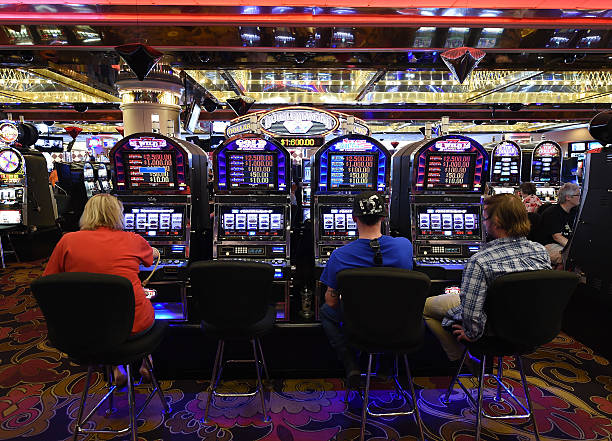
Moreover, the emotional rollercoaster that accompanies gambling—characterized by highs and lows—is often unsustainable for players. Those addicted may experience intense feelings of anxiety and depression, particularly following significant losses. The relentless pursuit of recovery through gambling can create a destructive pattern where individuals chase their losses, often leading to deeper financial and emotional turmoil. This cycle can damage self-esteem, as players grapple with feelings of failure when they cannot regain control over their gambling habits.
Recognizing and acknowledging gambling addiction is the first step toward recovery, but it often requires professional intervention and support. Treatment options such as therapy, support groups, and counseling are essential in addressing the psychological implications of gambling addiction. These resources can help individuals confront their behaviors, develop healthier coping mechanisms, and rebuild their lives. Recovery is possible, but it requires commitment, understanding, and a supportive environment to foster lasting change.
Understanding responsible gambling and its importance
With the complex psychology surrounding gambling, promoting responsible gambling practices is crucial for both individuals and casinos. Responsible gambling involves understanding the risks associated with gambling and making informed decisions about one’s gambling behavior. Casinos can contribute to this effort by providing resources and information on responsible gameplay, including setting limits on spending and offering self-exclusion programs for those who may be at risk of addiction. Educating patrons about the reality of gambling odds and encouraging breaks during play can create a healthier gambling environment.
Furthermore, fostering a culture of awareness around responsible gambling can benefit not only individual players but also the casino industry as a whole. By positioning themselves as advocates for player well-being, casinos can enhance their reputations and build trust with customers. This proactive approach may lead to increased patron loyalty and a more sustainable business model. Positive branding can result from transparent policies and supportive measures that prioritize player health and safety.
Ultimately, responsible gambling efforts should be viewed as a shared responsibility between casinos and players. Gamblers must also take accountability for their actions and recognize when their behavior becomes problematic. Engaging in self-reflection, monitoring spending, and seeking help when needed are vital components of responsible gambling. Together, casinos and players can work toward creating a safe and enjoyable gaming experience that minimizes the risks of addiction while maximizing enjoyment.